
Energy efficiency in commercial buildings is a crucial aspect of sustainable development and cost management. By implementing various strategies and technologies, businesses can significantly reduce energy consumption and costs. This article explores the most effective methods and cutting-edge technologies for maximizing energy efficiency in commercial buildings, with a particular focus on adjusting controls algorithms.
Understanding Energy Efficiency in Commercial Buildings
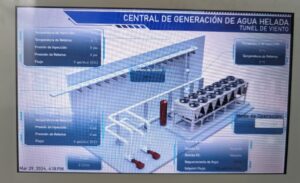
Commercial buildings are among the largest consumers of energy. They utilize energy for heating, cooling, lighting, and operating various equipment and systems. Improving energy efficiency in these buildings not only helps reduce operational costs but also minimizes the environmental impact. Here are some key strategies and technologies that can be employed to achieve this goal.
1. Energy Audits and Benchmarking


Before implementing any energy efficiency measures, it’s essential to conduct an energy audit. An energy audit helps identify areas where energy is being wasted and provides a baseline for measuring improvements. Benchmarking against similar buildings can also highlight performance gaps and opportunities for improvement. This process typically involves analyzing energy bills, inspecting equipment, and assessing operational practices. By understanding the current energy usage patterns, businesses can prioritize interventions that will have the most significant impact. Additionally, ongoing benchmarking allows for continuous improvement and ensures that energy efficiency gains are maintained over time.
2. HVAC System Optimization
Heating, ventilation, and air conditioning (HVAC) systems are typically the largest energy consumers in commercial buildings. Optimizing these systems can lead to significant energy savings.
Advanced Control Algorithms
One of the most effective ways to optimize HVAC systems is by adjusting control algorithms. Advanced algorithms can predict and respond to changing conditions more efficiently than traditional methods. For example, adaptive control algorithms use re al-time data from sensors to adjust the operation of HVAC systems dynamically. These algorithms can anticipate occupancy patterns, weather changes, and internal heat loads, optimizing the system’s performance while minimizing energy consumption. Implementing these algorithms often involves integrating them with building management systems (BMS) to allow for centralized control and monitoring, ensuring that the entire HVAC system operates at peak efficiency.
Variable Speed Drives (VSDs)
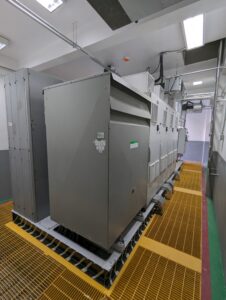
Variable speed drives can be installed on motors and fans to adjust their speed according to the demand. This reduces energy consumption, especially during partial load conditions. For instance, a VSD can lower the speed of a fan or pump when full power is not needed, which is more energy-efficient than running it at a constant speed. Retrofitting existing HVAC equipment with VSDs can lead to immediate energy savings and often pays for itself within a few years. Moreover, VSDs reduce mechanical stress on equipment, potentially extending the lifespan of HVAC components and lowering maintenance costs.
Smart Thermostats
 Smart thermostats offer precise control over temperature settings and can be programmed to adjust temperatures based on occupancy schedules. They can also be integrated with building management systems (BMS) for centralized control. Smart thermostats learn from user preferences and occupancy patterns, optimizing heating and cooling cycles for maximum efficiency. Some models can even detect when a room is unoccupied and adjust the temperature accordingly, further saving energy. Integrating smart thermostats with IoT devices can provide additional data points, enhancing their ability to maintain a comfortable and energy-efficient environment.
Demand-Controlled Ventilation (DCV)
Demand-Controlled Ventilation (DCV) systems adjust the amount of ventilation based on the occupancy and indoor air quality. By using sensors to monitor carbon dioxide levels, DCV systems can increase or decrease ventilation rates as needed. This ensures adequate air quality while minimizing energy use for heating or cooling outdoor air. DCV systems are particularly effective in spaces with variable occupancy, such as conference rooms, auditoriums, and retail spaces. Implementing DCV can lead to significant energy savings while maintaining a healthy indoor environment.
Energy Recovery Ventilation (ERV)
Energy Recovery Ventilation (ERV) systems capture and reuse the energy from exhausted air 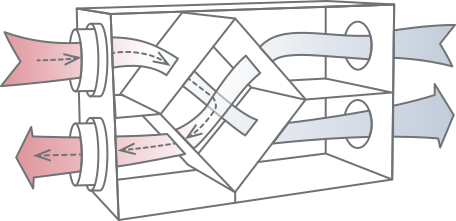 to precondition incoming fresh air. This process reduces the energy required to heat or cool the incoming air, enhancing overall HVAC system efficiency. ERV systems are especially beneficial in extreme climates where the temperature difference between indoor and outdoor air is significant. By recovering up to 70-80% of the energy from exhaust air, ERV systems can significantly reduce HVAC energy consumption and improve indoor air quality.
Chiller Plant Optimization
Chiller plants are critical components of many commercial HVAC systems, and optimizing their operation can yield substantial energy savings. Advanced chiller plant optimization strategies include sequencing multiple chillers for optimal load distribution, using variable primary flow systems, and incorporating real-time data analytics for predictive maintenance. Implementing these strategies can enhance the efficiency of chiller plants, reduce operational costs, and extend the lifespan of equipment. Additionally, using high-efficiency chillers with magnetic bearing technology can further improve energy performance and reliability.
Thermal Energy Storage
Thermal energy storage systems store excess thermal energy produced during off-peak hours for use during peak demand periods. This can help reduce the load on HVAC systems during peak times, leading to lower energy costs and improved efficiency. Common thermal energy storage solutions include ice storage and chilled water storage. These systems can be integrated with existing HVAC systems to shift cooling loads and take advantage of lower electricity rates during off-peak hours. By leveraging thermal energy storage, commercial buildings can achieve greater energy efficiency and operational flexibility.
3. Lighting Controls
Lighting accounts for a significant portion of energy use in commercial buildings. Implementing advanced lighting controls can substantially reduce energy consumption.
LED Lighting
Switching to LED lighting is one of the simplest and most effective ways to reduce energy use. LEDs consume up to 75% less energy than traditional incandescent bulbs and last significantly longer. In addition to their energy efficiency, LEDs provide better quality light, enhancing the work environment and potentially increasing productivity. Retrofitting existing fixtures with LED technology is straightforward and can be done with minimal disruption. The long lifespan of LEDs also means reduced maintenance costs and less frequent replacements, contributing to overall savings.
Occupancy Sensors
Occupancy sensors detect the presence of people in a room and adjust the lighting accordingly. This ensures that lights are only on when needed, reducing unnecessary energy consumption. These sensors can be particularly useful in areas with variable occupancy, such as conference rooms, restrooms, and storage areas. Advanced occupancy sensors can be integrated with other building systems to optimize HVAC and security settings based on real-time occupancy data. By reducing the time lights are left on in unoccupied spaces, businesses can see significant reductions in their energy bills.
Daylight Harvesting
Daylight harvesting systems adjust artificial lighting based on the amount of natural light available. By using photosensors to detect natural light levels, these systems can dim or switch off lights when sufficient daylight is present. This not only saves energy but also enhances the indoor environment by utilizing natural light, which has been shown to improve occupant mood and productivity. Implementing daylight harvesting can involve installing automated blinds or shades that work in conjunction with the lighting system to control glare and maximize comfort. Properly designed daylight harvesting systems can reduce lighting energy use by 20-60%.
4. Building Automation Systems (BAS)
Building Automation Systems integrate various building systems, such as HVAC, lighting, and security, into a centralized control platform. This allows for more efficient management and monitoring of energy use.
Integrated Energy Management
A BAS can provide real-time data on energy consumption, enabling facility managers to identify inefficiencies and implement corrective measures. Advanced BAS can also incorporate machine learning algorithms to predict and optimize energy use based on historical data and real-time conditions. By automating the control of building systems, a BAS ensures that they operate in the most energy-efficient manner possible. For example, a BAS can schedule HVAC systems to operate only during occupied hours or adjust lighting levels based on natural light availability. The integration of BAS with IoT devices enhances its capability to monitor and control energy use, leading to substantial savings.
5. Renewable Energy Integration
Incorporating renewable energy sources can further enhance the energy efficiency of commercial buildings.
Solar Panels
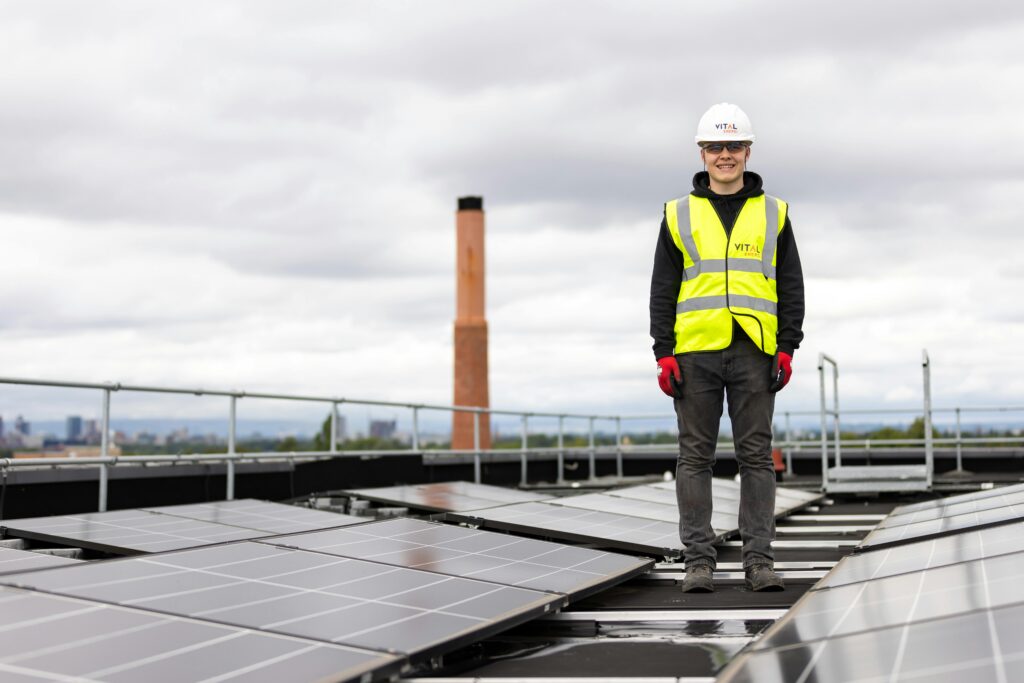
Installing solar panels on rooftops or other available spaces can generate a significant portion of a building’s electricity needs. Solar energy systems can be integrated with the building’s power grid to reduce dependence on non-renewable energy sources. Advances in solar technology have made panels more efficient and cost-effective, increasing their appeal for commercial applications. Additionally, government incentives and tax credits can help offset the initial installation costs. Integrating solar energy with energy storage systems can provide a reliable power supply, even during periods of low solar generation, ensuring consistent energy savings.
Energy Storage Systems
Energy storage systems, such as batteries, can store excess energy generated by renewable sources for use during periods of high demand or low generation. This ensures a steady supply of clean energy and reduces reliance on the grid. Energy storage systems can also provide backup power during outages, enhancing the resilience of commercial buildings. Advances in battery technology have improved storage capacity and efficiency, making them more cost-effective for commercial applications. By smoothing out fluctuations in energy supply and demand, energy storage systems can optimize the use of renewable energy and contribute to overall energy efficiency. There are also SUBSTANTIAL incentive for companies to use batteries for demand shedding in areas where demand prices are high. Reach out to BE if you’d like some help with choosing equipment that takes advantage of this.
6. Advanced Insulation and Building Envelope
Improving the building envelope can significantly reduce energy consumption for heating and cooling.
High-Performance Insulation
High-performance insulation materials, such as spray foam and rigid foam boards, provide superior thermal resistance compared to traditional materials. This helps maintain comfortable indoor temperatures with less energy. Proper insulation reduces the need for heating and cooling, leading to significant energy savings. In addition to energy benefits, high-performance insulation can improve indoor air quality by reducing drafts and preventing moisture buildup. Retrofitting existing buildings with high-performance insulation can be a cost-effective way to enhance energy efficiency and occupant comfort.
Energy-Efficient Windows
Installing energy-efficient windows with low-emissivity (low-E) coatings can reduce heat loss in the winter and heat gain in the summer. Double or triple glazing further enhances their insulating properties. Energy-efficient windows also reduce the need for artificial lighting by allowing more natural light into the building. Advanced window technologies, such as smart glass, can adjust their tint in response to changing sunlight levels, optimizing both energy efficiency and occupant comfort. By reducing the load on HVAC systems, energy-efficient windows can lead to substantial energy savings and improved indoor environments.
Air Sealing
Sealing gaps and cracks in the building envelope prevents air leaks, reducing the load on HVAC systems and improving overall energy efficiency. Common areas for air leaks include windows, doors, and vents. Using weatherstripping, caulking, and sealants can effectively close these gaps. Air sealing not only improves energy efficiency but also enhances indoor air quality by preventing the infiltration of pollutants and allergens. Conducting a blower door test can help identify and quantify air leaks, guiding targeted air sealing efforts. Proper air sealing, combined with insulation, creates a tighter building envelope, leading to greater energy savings and comfort.
7. Water Heating Efficiency
Water heating is another major energy consumer in commercial buildings. Implementing energy-efficient water heating solutions can lead to substantial savings.
Heat Pump Water Heaters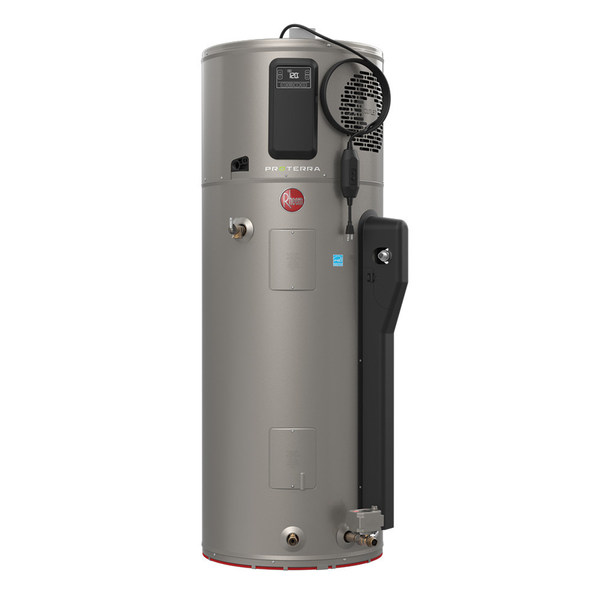
Heat pump water heaters are more efficient than traditional electric or gas water heaters. They extract heat from the surrounding air to heat the water, using less energy in the process. Heat pump water heaters can be up to three times more efficient than conventional water heaters. They are particularly effective in warmer climates where ambient air temperatures are higher. Installing a heat pump water heater can lead to significant reductions in energy use and costs, making them a smart investment for commercial buildings.
Tankless Water Heaters
Tankless water heaters provide hot water on demand, eliminating the need for energy-consuming storage tanks. They are more efficient, especially in buildings with varying hot water demand. By heating water only when it’s needed, tankless water heaters avoid the standby energy losses associated with traditional storage water heaters. They also take up less space and have a longer lifespan. For large commercial buildings, multiple tankless water heaters can be installed in parallel to meet high demand, ensuring a continuous supply of hot water while maximizing energy efficiency.
8. Energy Monitoring and Analytics
Continuous monitoring and analysis of energy use are essential for maintaining and improving energy efficiency.
IoT-Enabled Sensors
Internet of Things (IoT) sensors can be deployed throughout a building to collect real-time data on energy use, occupancy, temperature, and other parameters. This data can be used to identify inefficiencies and optimize building systems. IoT-enabled sensors provide granular insights into energy consumption patterns, enabling more precise control and optimization of building systems. They can also detect anomalies and alert facility managers to potential issues before they escalate. By leveraging IoT technology, commercial buildings can achieve higher levels of energy efficiency and operational performance.
Predictive Maintenance
Predictive maintenance systems use data analytics and machine learning to predict equipment failures before they occur. This allows for timely maintenance, reducing downtime and improving the efficiency of building systems. Predictive maintenance can extend the lifespan of equipment and prevent costly breakdowns. For example, by monitoring the vibration patterns of HVAC equipment, predictive maintenance systems can identify potential issues and schedule maintenance before a failure occurs. Implementing predictive maintenance can lead to significant energy savings by ensuring that building systems operate at peak efficiency and reducing the need for reactive repairs.
9. Cutting-Edge Technologies
Staying up-to-date with the latest technologies can provide additional opportunities for enhancing energy efficiency.
Artificial Intelligence (AI) and Machine Learning
AI and machine learning algorithms can analyze vast amounts of data to identify patterns and optimize building systems. These technologies can continuously learn and adapt to changing conditions, improving energy efficiency over time. For example, AI can optimize HVAC operations by predicting occupancy patterns and adjusting settings in real-time. Machine learning algorithms can also analyze historical energy use data to identify inefficiencies and recommend corrective actions. By leveraging AI and machine learning, commercial buildings can achieve higher levels of energy efficiency and operational performance.
Conclusion
Maximizing energy efficiency in commercial buildings requires a multifaceted approach that includes advanced technologies, optimized control algorithms, and engaged building occupants. By implementing these strategies, businesses can reduce energy consumption, lower operational costs, and contribute to a more sustainable future. Continuous monitoring and staying abreast of new technologies will ensure ongoing improvements and long-term success in energy efficiency efforts.
Implementing these strategies can transform commercial buildings into energy-efficient, cost-effective, and environmentally friendly spaces. As technology continues to evolve, the opportunities for enhancing energy efficiency will only grow, offering even more ways to achieve sustainable building management.
If you have any questions about how you can utilize any of these technologies and tools in your space, reach out to us or comment below!
Recent Comments