
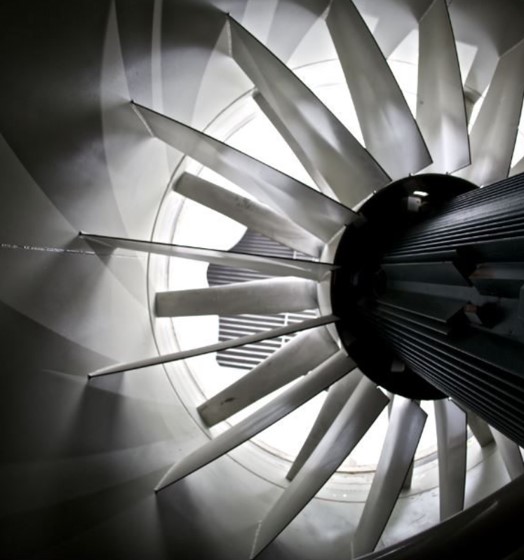
As an engineer with a deep passion for mechanical and electrical systems, I’m always on the lookout for technologies that can revolutionize our field. Recently, I stumbled upon something that has truly impressed me and could significantly change how we approach maintenance: vibration sensors for rotating equipment. Let me share why I believe these sensors, especially this new AI powered cutting-edge sensor from Tractian, are a game-changer for anyone looking to keep their machinery running smoothly and avoid costly downtime.
Why Vibration Monitoring Matters
If you’re like me, you understand the frustration that comes with unexpected equipment failures. Rotating equipment, such as pumps, motors, and turbines, are the backbone of many operations, and when they go down, it can lead to significant disruptions. Vibration monitoring is a proactive approach that can save us from these headaches or at least help us manage them on our own terms. By detecting early signs of wear and tear, vibration sensors provide crucial data that can predict issues before they escalate into major problems.
How it is usually done
A ticket comes though that a motor on mission critical piece of equipment is making a noise. The maintenance technician takes a look, pushes a few buttons, ramps it up and down, restarts it, checks for obstructions, but the sound continues. The team schedules a rotating equipment vibrations expert to come inspect with expensive equipment that costs over $20,000 to own and rents for around $1,600/month. The vibration specral analysis is done a few days later and it’s determined that the bearing needs to be replaced and it’s remaining lifetime is in the days, not weeks. However, not-so-conveniently, a replacement bearing is not available off the shelf, will take a full day to install once received, and needs to fabricated, assembled, and shipped, taking an unfortunate amount of time.
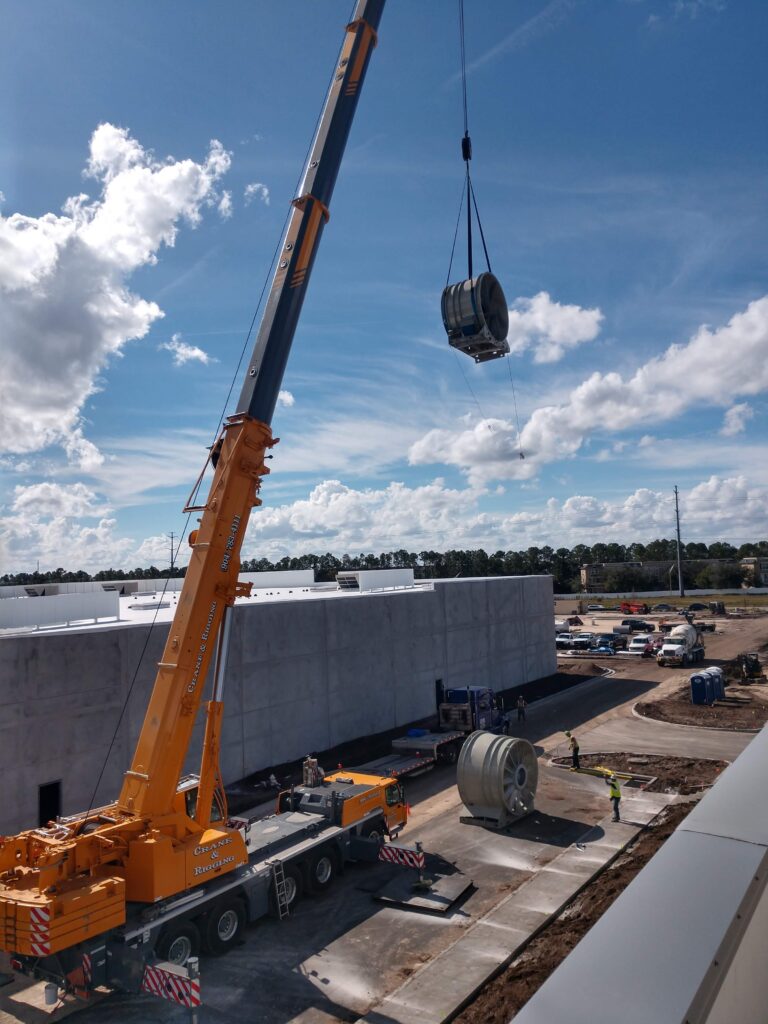
The key to know here is that had there been vibrational analysis happening on an ongoing basis, these circumstances could have been avoided. Bearings start barking at you long before you can actually hear them, you just need to know how to listen for those early signs – and that’s with continual vibration monitoring.
How These Sensors Work
Vibration sensors, often referred to as accelerometers, measure the acceleration forces on an object. These forces might be static (like gravity) or dynamic (caused by moving machinery). The sensors convert these forces into electrical signals, which can then be analyzed to assess the condition of the equipment. It’s like having a doctor constantly check your vital signs, ensuring everything is functioning as it should.
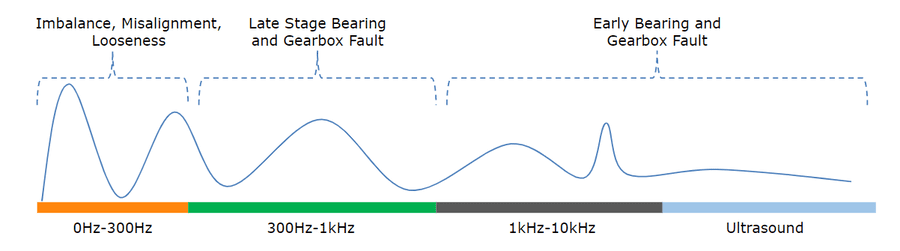
Examples of where failure signatures show up in the vibrational spectral analysis
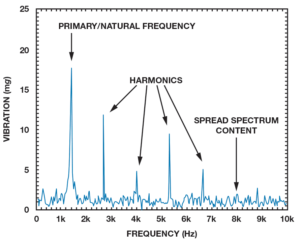
Example Vibration Spectral Output
The Benefits I’ve Seen
- Early Detection: Vibration sensors can catch issues like imbalance, misalignment, bearing faults, and other defects long before they cause failures. This early detection is crucial in preventing unexpected downtime.
- Cost Savings: Addressing issues early means we can schedule maintenance proactively, avoiding the high costs associated with catastrophic failures and extending the lifespan of our equipment.
- Safety: By keeping an eye on vibration levels, we ensure our equipment operates within safe limits, reducing the risk of accidents.
- Efficiency: Real-time data allows maintenance teams to optimize their schedules and prioritize tasks, ensuring minimal disruption to operations.
New Technology: Tractian
During my exploration of vibration sensors, I came across Tractian, a company that has taken this technology to the next level. The thing that Tractian brings to the table is not needing a trained vibration analyst to determine what your vibration data means. Tractian is handling that through their cloud based software and involving AI in the predictive elements of analysis. Anyone can collect data, but knowing how to use it is just as important, and historically, vibration data has been some of the hardest to understand and parse through at an entry level. But Tractian has a solution for that which will provide your maintanence staff to stay ahead of costly failures. Here’s why I think Tractian’s AI sensor and others like it stand out from your standard vibration sensor:
- Real-Time Monitoring: Tractian sensors provide continuous, real-time data, allowing for immediate detection of anomalies. This feature is invaluable for staying on top of equipment health. Traction’s availability from Desktop, iOS, or Android makes it a process operator or floor manager’s dream.
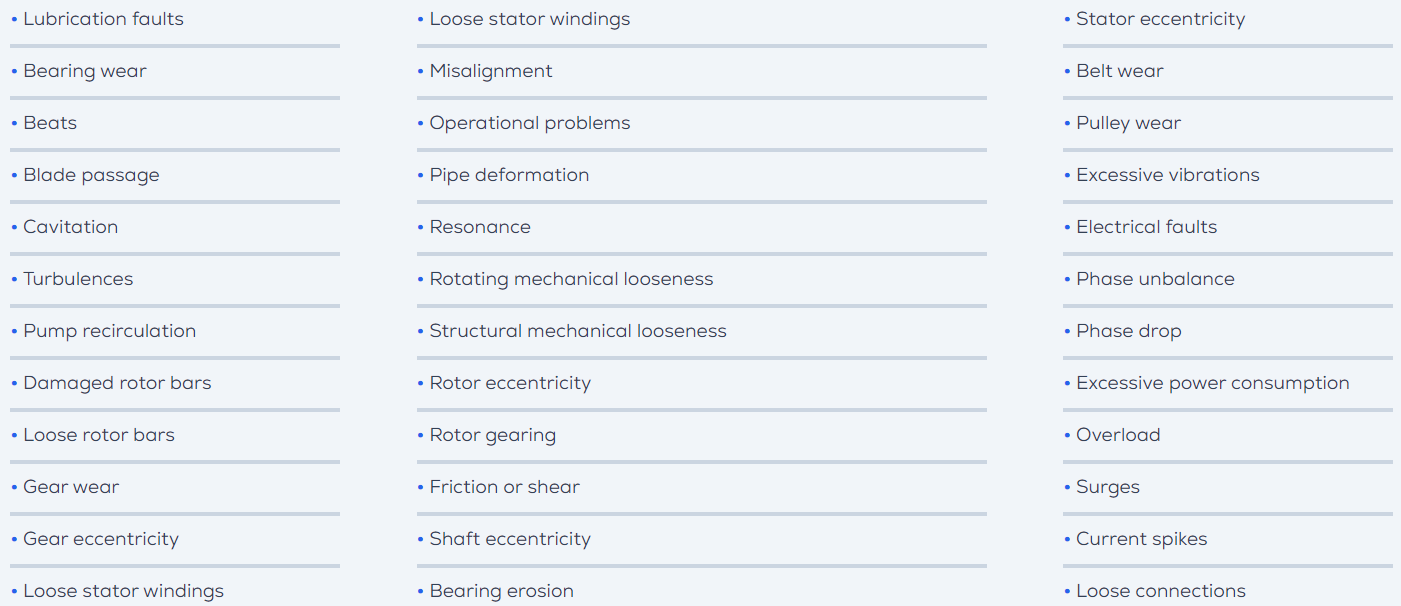
- Advanced Analytics: The system uses machine learning algorithms to analyze vibration data and predict potential failures with impressive accuracy. This predictive capability can make a huge difference in maintenance planning. Here’s a list of what Tractian claims to be able to detect:
- User-Friendly Interface: One of the things I appreciate most about Tractian is its intuitive interface. Even if you’re not a specialist, you can easily navigate the platform and make sense of the data.
- Scalability: Whether you have a single machine or an entire fleet, Tractian’s solution can scale to meet your needs, making it flexible for any size operation. One app can handle all of your vibration checks. If your fleet is distributed over a large geographic area, that’s huge!
- Cost-Effective: By preventing unexpected downtime and optimizing maintenance schedules, Tractian helps save on both direct repair costs and the indirect costs associated with lost production time. Losing a motor for which you have no quick replacement can cause everything to come to grinding hault. If your process relies on continuity, these sensors can be your canary in the coal-mine – alarming with enough time for you to make arrangements for corrective action that minimizes business impact.
With AI entering the chat, downtime could be a thing of the past…
If you’re an engineer or business owner like me, always looking to improve operational efficiency and reduce downtime, I highly recommend exploring vibration sensors. Products like Tractian offer a sophisticated, reliable, and user-friendly solution that can keep your equipment running smoothly. It’s exciting to see how technology continues to advance, providing us with tools that make our jobs easier and our operations more efficient.
Tractian is only the first company I’ve seen bringing AI analytics to the industrial space in this way, but I’m sure like all of the AI space, we’re about to see a whole lot more of it. I think this is an amazing new technology and we’re going to see it transform how we manage rotating equipment.
Recent Comments