
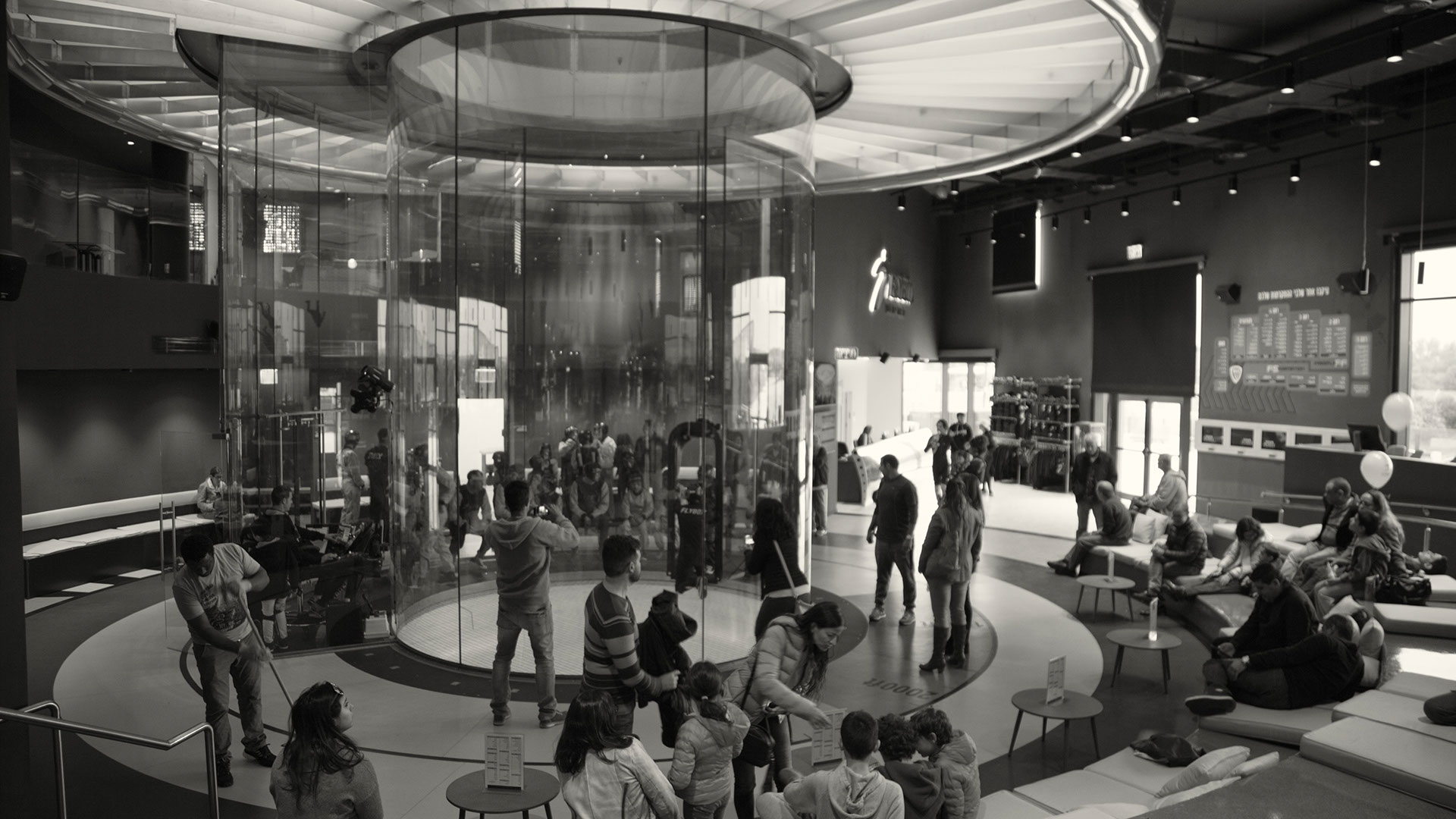
Embarking on your first buildout of a new location is an exciting milestone for any business owner. However, this journey can be complex and costly if not approached with careful planning. To help ensure a smooth and cost-effective process, there are several key steps and considerations to keep in mind before engaging an architect and a real estate agent.
Understanding Your Needs and Objectives
1. Define Your Vision and Goals:
- Clearly outline the purpose of your new location. Are you opening a retail store, office space, or a restaurant? Each type of business has unique requirements. Put all of these spacial requirements into a spreadsheet and keep these for your design team. This will be invaluable in planning your space. Include specific items that requires water, electricity, data, or air conditioning and ventilation. But also include things that are more subjective like the abiance your want, lighting and sound considerations, and customer expectations.
- Consider your long-term business goals. Will you need room for expansion, specific technological infrastructure, or unique design features? Planning for these future features from day one can make the actual execution easier and cheaper in the future. Sometimes incorporating these needs into the initial design is cost neutral.
- One of the best pieces of advice I ever got in design is that the most important decisions are the ones we choose not to make. Figure out what features you need, and what features are essential in satisfying your customer. Anything else is an expense that doesn’t generate revenue. Sometimes your customer is looking for experience and sometimes they’re looking for efficiency. Know your customer and focus on those core needs. That’s how you keep the budget in check. Speaking of which:
2. Budgeting and Financing:
Establish a realistic budget for the entire project, including construction, design, permits, and unexpected expenses. You can engage lots of different professionals for help in honing in an accurate budget, but professionals with experience in your exact market are going to be able to provide you with the best information. Construction costs vary widely and local professionals are going to be your best partners in getting an accurate budget price. A PM service like Benesh Engineering can help you develop this type of budget by engaging properly vetted professional services and verifying their work.
Site Selection and Real Estate Considerations
3. Location Analysis:
Conduct a thorough market analysis to identify the best location for your business. Consider foot traffic, accessibility, parking, and proximity to complementary businesses. Local ordinances can also have a huge impact on design considerations and therefore cost. If sound ordinances are restrictive and you have a loud business, you will have to pay the penalty of sound dampening or choose a less restrictive location. These area rules can also restrict material choices for your structures, further increasing the obliged cost to go into an area.
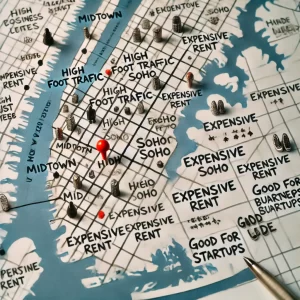
Investigate zoning laws and local regulations to ensure your intended use is permissible at the chosen site. Engaging civil engineering representation by a local firm can help to streamline the due diligence process here. BE can help to locate and vet a local firm to help you with this once you have a location in mind.
4. Physical and Structural Assessments:
Inspect potential properties for structural soundness. Look for any signs of damage or needed repairs that could add to your costs. Spaces that require demolition before starting construction also increase the costs. If your space requires demolition or remediation, that should be considered in your negotiations with your landlord.
Assess the availability and condition of utilities such as electricity, plumbing, and HVAC systems. Upgrading these can be expensive and reuse of what’s existing can be hugely advantageous. HVAC systems, for example, can be anywhere from $15-30+/Square Foot of space and reuse of these can almost eliminate this huge cost to your project.
Pre-Design Preparation
5. Space Planning:
Space planning is the process of determining how to allocate and arrange the physical space in your new location. This involves more than just deciding where to put the walls; it’s about creating a functional, efficient, and comfortable environment for your business operations.
- Preliminary Layout: Start by sketching a preliminary layout of your space requirements. Identify key areas such as customer-facing zones, employee workspaces, storage areas, and any specialized areas like kitchens or restrooms. For instance, if you’re opening a retail store, you’ll need to plan for sales floors, dressing rooms, and checkout counters. If it’s an office, think about meeting rooms, individual workstations, and common areas.
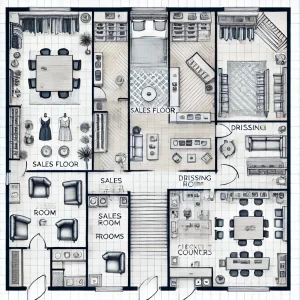
- Flow and Functionality: Consider the flow of movement within your space. How will customers navigate the store? Is there a logical path from the entrance to the main attractions or services? For office spaces, think about how employees will move between workstations, meeting rooms, and common areas. Efficient space planning can improve productivity and enhance the customer experience.
- Future Flexibility: Design with flexibility in mind to accommodate future growth or changes in business operations. For example, modular furniture can be reconfigured as needed, and open floor plans can be adapted for different uses over time. This foresight can save you from having to undertake costly renovations in the future.
- Regulatory Compliance: Ensure your layout complies with local building codes and regulations. This includes accessibility requirements under the Americans with Disabilities Act (ADA), fire safety regulations, and health and safety standards. Non-compliance can lead to fines and require costly modifications.
Consider future flexibility in your layout to accommodate growth or changes in business operations. Sometimes leaving a future option open costs nothing, but not thinking about it now, makes it cost prohibitive later if you don’t make the right decisions that leave that optionality open for you as time goes on. BE can offer to take your team through a requirements finding exercise and develop a requirements list for use on your project.
6. Compile Necessary Information:
Gathering detailed information about your existing space and understanding regulatory requirements are critical steps in the pre-design phase. Having this information ready can streamline the design process and avoid unexpected issues.
- Detailed Measurements: Accurate measurements of the existing space are essential. This includes the overall square footage, ceiling heights, and dimensions of all rooms and areas. Knowing these details helps your architect create a precise design and prevents costly errors. For example, measure the width of hallways and doorways to ensure they meet accessibility standards and can accommodate all necessary equipment and furniture.
- Floor Plans: Obtain or create detailed floor plans of the existing space. If floor plans are not available, consider hiring a professional to create them. These plans should include the location of structural elements like walls, columns, windows, and doors. Knowing the exact layout of the space helps in planning the placement of new elements and identifying any potential structural issues.
- Utilities Assessment: Evaluate the availability and condition of existing utilities such as electricity, plumbing, and HVAC systems. For instance, if you’re planning a restaurant buildout, ensure that the plumbing and electrical systems can support commercial kitchen equipment. Upgrading these systems can be expensive, so it’s crucial to factor this into your budget early on.
- Building Codes and Regulations: Research the building codes and regulations that apply to your type of business and location. These may include zoning laws, fire safety codes, health regulations (especially for food service businesses), and accessibility requirements. Understanding these regulations upfront helps you design a compliant space and avoid costly redesigns.
- Permits and Approvals: Identify the permits and approvals required for your project. This can vary widely depending on the location and nature of your business. Common permits include building permits, electrical permits, plumbing permits, and health permits. Start the permitting process early to avoid delays and ensure all necessary approvals are in place before construction begins.
- Business Specific Equipment List: Every business has a specific arsenal of equipment it uses to make money. Generate a list of equipment that your business needs so that this can be worked into your plans and budgets. This is where a lot of companies end up in change order land because they want to add things later, once the work has been bought. Avoid this by creating this list early.
Engaging Professionals
7. Choosing the Right Architect:
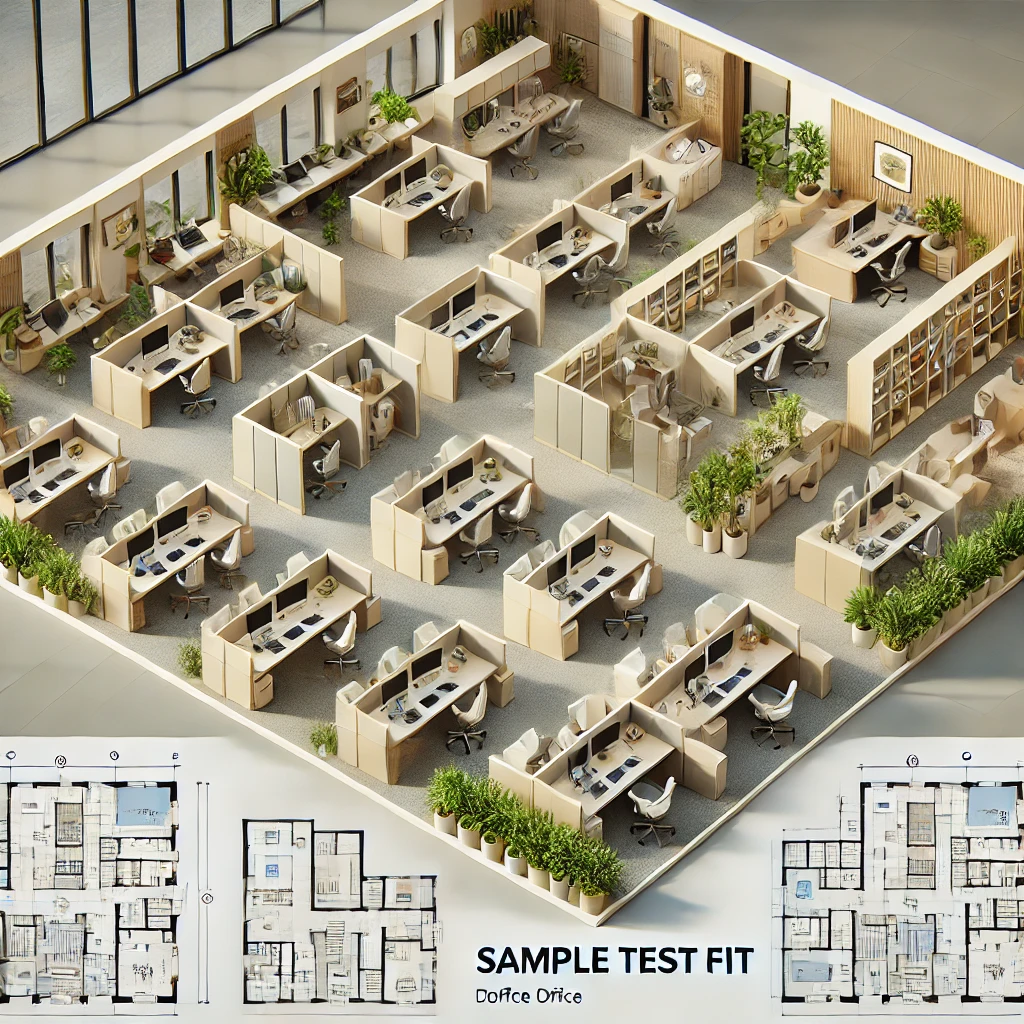
Selecting an architect is not just about finding someone who can draw plans. It’s about finding a partner who understands your vision, budget, and timeline. Look for architects who specialize in your industry and have a proven track record with similar projects. For example, if you’re opening a restaurant, an architect with experience in designing commercial kitchens and dining areas is essential. Ask for their portfolio and references from past clients. A good architect will not only bring creative solutions to your project but also help navigate building codes and regulations.
The Architect is often the center of your project (for occupied spaces; for technical spaces this inverts) and thus is probably the most critical selection on your team. You need this person to be a people person who will create an atmosphere on your project where all of the professionals are able to create their best work. You want a good listener who will hear, record, and track your requirements through the design. You want them bring information from the design team back to you for decisions and have that information remain complete and whole. But you also want them to guide you to the right decisions. So choose an architect that seems to have experience in what you’re trying to create, but also one who listens and communicates really well.
When interviewing potential architects, discuss your vision in detail. Provide them with your preliminary layout and ask how they would approach the design. This conversation can reveal their understanding of your needs and their ability to translate your ideas into practical designs. Remember, a strong alignment between your goals and the architect’s approach can save time and money in the long run.
8. Collaborating with a Real Estate Agent:
A knowledgeable real estate agent can be your biggest asset in finding the perfect location for your business. Choose an agent who specializes in commercial properties and has a deep understanding of the local market. Their expertise can help you identify properties that meet your criteria and negotiate favorable terms.
For example, a good agent will help you understand the nuances of different neighborhoods, such as foot traffic patterns, parking availability, and the presence of complementary businesses. They can also assist in evaluating lease terms to ensure they are favorable for your business. This might include negotiating tenant improvement allowances, which are funds provided by the landlord for renovations and buildouts. Such allowances can significantly reduce your upfront costs.
Additionally, your agent can help you understand the implications of various lease terms. For instance, understanding the difference between a triple net lease (where you pay for property taxes, insurance, and maintenance) and a gross lease (where these costs are included in the rent) can impact your financial planning.
Cost-Saving Tips: Maximizing Efficiency Without Compromising Quality
Building out a new location is a significant investment, but there are strategic ways to manage costs while still achieving a high-quality result. Here are some practical tips to help you stay on budget without sacrificing your vision.
9. Value Engineering:
Value engineering involves analyzing the design to find cost-saving opportunities without compromising on quality or functionality. Work closely with your architect to explore alternative materials and construction methods. For instance, consider using polished concrete floors instead of more expensive flooring options like marble or hardwood. Polished concrete is durable, stylish, and cost-effective.
Focus on high-impact areas where customers will spend the most time, such as the entrance, lobby, or main sales floor. These areas should reflect your brand’s image and provide a welcoming atmosphere. In contrast, back-of-house areas like storage rooms or employee break rooms can be more utilitarian, allowing you to save on finishes and fixtures.
10. Sustainable and Energy-Efficient Solutions:
Investing in energy-efficient systems and sustainable materials can lead to significant long-term savings. For example, installing LED lighting throughout your space can reduce energy consumption and lower utility bills. Similarly, choosing energy-efficient HVAC systems can improve comfort while reducing operational costs.
Consider incorporating sustainable design practices, such as using recycled materials or low-VOC (volatile organic compounds) paints and finishes. These choices not only benefit the environment but can also improve indoor air quality and contribute to a healthier workspace. Additionally, some sustainable building practices may qualify for tax incentives or grants, further offsetting your costs.
11. Permitting and Approvals:
The permitting process can be a significant hurdle in any buildout project. Start early to avoid delays that can derail your timeline. Research the permits required for your specific type of business and location. Common permits include building permits, electrical permits, plumbing permits, and health permits (if you’re in the food service industry). Some businesses require special permits so being certain that you’ve got all of your permits and fees in your project plan is critical to keeping the schedule.
Engage with local authorities and stakeholders early in the process to understand their requirements and expectations. For example, if you’re opening a restaurant, you’ll need to comply with health department regulations regarding kitchen layout, sanitation, and food storage. Early and proactive engagement can help you address any issues before they become major roadblocks.
By preparing thoroughly and strategically selecting your partners, you can navigate the complexities of your first buildout with confidence. Remember, the time and effort invested in planning and professional selection will pay off in a smooth, cost-effective project that sets the stage for your business’s success.
Final Thoughts
The key to a successful buildout lies in thorough preparation and informed decision-making. By understanding your needs, conducting diligent site assessments, and engaging the right professionals, you can create a space that not only meets your business objectives but also maximizes your investment. Careful planning and strategic choices can help you avoid costly pitfalls and ensure your new location is a foundation for long-term success.
Embarking on a buildout is a significant undertaking, but with the right approach, it can be a rewarding step in the growth of your business. By taking these steps before engaging an architect and real estate agent, you’ll be well-equipped to navigate the complexities of your project with confidence and clarity.
If you need help selecting the right professionals and moving through these steps, Benesh Engineering can help you. Reach out to find out about our Design and Construction Management services today.
Recent Comments